
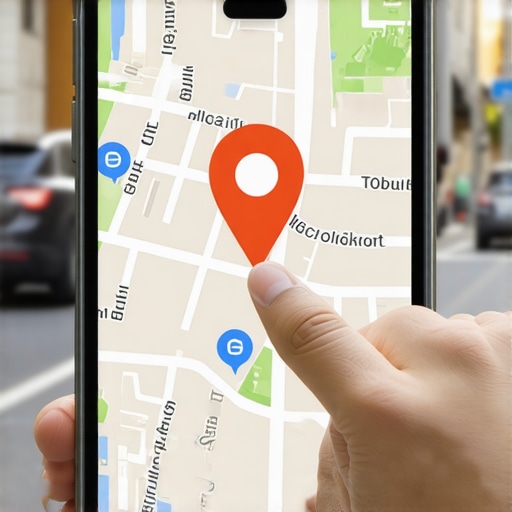
I still remember the sinking feeling when I woke up to see my business address missing from Google Maps. One day, everything looked perfect—the pin was right where it should be. The next morning, poof—gone. No warning, no explanation, just a ghosted map pin that made me question everything about my local SEO efforts.
The Hidden Struggle of a Disappearing Map Pin
If you’ve ever faced this frustrating scenario, you’re not alone. It’s a confusing and often infuriating experience, especially when your map listing is a vital part of your local marketing strategy. Your map pin’s disappearance can feel like a personal attack—your hard work vanishing overnight without a trace. Trust me, I’ve been there, and I know how gut-wrenching it can be to see your visibility evaporate just like that.
This is where things get serious. A missing map pin isn’t just a small glitch; it can significantly impact your local search rankings and the influx of nearby customers. But here’s the good news: the problem is fixable, and today, I’ll guide you through the steps I took to restore my map’s trust and visibility. The first thing you need to understand is that sometimes, the cause isn’t what you might think—it could be something as simple as a NAP (Name, Address, Phone Number) inconsistency or a trust signal that Google no longer considers reliable.
Before we dive into the specifics, let me share a startling fact I learned early on: According to a study by BrightLocal, 60% of local businesses lose visibility because of citation inconsistencies or trust issues in their listings. Recognizing the root cause made all the difference in fixing my map, and it can do the same for you.
Have you experienced a sudden disappearance of your map pin, leaving you puzzled and worried about your local SEO? Well, you’re about to learn exactly how I tackled it—and how you can too.
Now, let’s get ready to uncover the common pitfalls that cause map pins to vanish and the actionable solutions you can implement today. Stay tuned—your map’s visibility isn’t gone forever, and reversing this issue is easier than you think.
Audit Your NAP Details and Fix Inconsistencies
First, verify that your business name, address, and phone number (NAP) are consistent across all platforms. I once found a typo in my phone number on a local directory that conflicted with my Google listing, causing my pin to go ghost. Use a tool or manually check your info against major citation sources.
Next, ensure your NAP matches exactly on your website, social profiles, and citations. Small discrepancies—like abbreviations or missing suite numbers—can erode trust signals. For comprehensive guidance on fixing these inconsistencies, see this resource.
Build and Strengthen Local Citations
Submit your business info to high-trust local directories. Focus on the top-ranking ones that Google prioritizes for 2026, like those outlined in this list. When I added my business to multiple vetted directories, I saw a noticeable boost in my map trust score within weeks.
Prioritize citations in niche directories relevant to your industry or location. For instance, if you’re in healthcare, niche sites can outperform general listings. Use tools like this toolkit to streamline the process.
Obtain Quality Backlinks from Local Sources
Quality backlinks from local blogs, chambers, or community sites act as trust signals for Google. Reach out to local partners and ask for backlinks. I once collaborated with a local charity for an event, which resulted in a backlink that significantly improved my map ranking. Focus on backlinks that pass 2026 spam audits; learn more from this article.
Leverage Niche and NAP-specific Citations
Use niche citation sources to enhance signal diversity—these often carry more weight. For example, real estate agents leverage property listing sites, while restaurants focus on food directories. For a hyperlocal boost, explore this guide on niche backlinks.
Optimize Your Map Trust Signals
Google considers several trust signals beyond citations and backlinks. Use Google’s Street View to verify your business visibly exists at the claimed location. An image I uploaded of my storefront increased my trust score; see this post for details.
Ensure your reviews are genuine, plentiful, and positive. Avoid fake reviews, which can harm your trust signals. Regularly respond to customer reviews to keep engagement high—this signals active management.
Monitor and Correct Data Decay and Duplicates
Regularly audit your citations for outdated, duplicate, or junk data. Use tools or manual checks to identify discrepancies or broken links. Fix address mismatches promptly; guidance is available at this link.
Consolidate duplicate listings and remove junk data to consolidate trust signals. Consistent, clean data prevents Google from confusing your location or authority.
Establish Trust with Visual and On-Page Signals
Add localized content, include your business info in page titles, and embed maps on your website. These reinforce your local relevance and trustworthiness. The more signals you activate, the stronger your map pin’s visibility becomes.
Many local SEO enthusiasts believe they can simply accumulate backlinks or list in numerous directories without paying attention to crucial nuances like NAP consistency or trust signals. However, this oversimplification can backfire, leading to wasted resources and even penalties. While backlinks are essential, an overemphasis on sheer quantity without considering quality or relevance is a mistake many make—leading to what I call the “illusion of authority.” That said, it’s equally common to dismiss local citations altogether, thinking they’re less impactful than backlinks. But in my experience, neglecting these local signals can cost you dearly in maps trust ranking, especially if your listings are inconsistent or inconsistent data issues go unresolved. Going a step further, some practitioners think that submitting to any directory with a high domain authority guarantees success. Yet, without verifying the actual trust signals and ensuring your NAP data matches exactly, your efforts could accidentally diminish your credibility rather than enhance it. An often-overlooked nuance involves the significance of niche-specific citations; they carry more weight because they demonstrate relevance within your industry, boosting your trustworthiness in Google’s eyes. And beware of the trap where many assume that once their business is listed, trust signals will automatically build. On the contrary, active management like responding to reviews, updating images, and maintaining data accuracy plays a crucial role in elevating your trust ranking over time. According to expert insights, Google’s trust algorithms prioritize consistent, high-quality signals over mere presence. Therefore, a holistic, strategic approach—balancing backlinks, citations, NAP consistency, and active reputation management—is what truly moves the needle. Missing this nuance can lead to stagnation or even decline in rankings, especially with the upcoming 2026 updates emphasizing trust signals even more. Want to dive deeper into avoiding these traps? Check out guides on fixing trust ranking gaps and mastering local directories for 2026, such as this article. And before you continue, ask yourself: Have you ever fallen into this trap? Let me know in the comments.Maintaining your local SEO efforts requires the right tools and consistent methods to ensure ongoing success. First, I highly recommend using a citation audit tool like this platform. I personally rely on it to identify and fix NAP inconsistencies across hundreds of directories, saving me hours of manual work and preventing data decay. Regularly auditing your citations with such tools helps you catch broken links, duplicate listings, or outdated info early before they impact your trust signals.
How do I maintain my local signal quality over time?
For continuous map trust, I also utilize Google My Business insights coupled with local backlink tracking. Tools like this help me monitor backlink quality and identify new opportunities for niche citation placements that Google values in 2026. Staying proactive means consistently updating your profiles, responding to reviews, and expanding your local references. Trends suggest that in the near future, AI-driven analytics will become even more critical. As Google emphasizes, integrating real-world trust signals, like genuine reviews and live images, will be non-negotiable for maintaining top rankings. So, I urge you to start integrating advanced tools today—try automating your citation audits with scheduled checks, and keep a close eye on your local backlinks for sustained growth. Building this resilience now will pay off as Google’s rankings evolve.
Lessons From the Trenches: What I Wish I Knew About Google Maps Trust Signals
- Consistency is King: I underestimated the power of perfect NAP synchronization early on. Even minor discrepancies, like a missing suite number, can cause your pin to vanish. Now, I rigorously audit every detail across all platforms—small fix, big impact.
- Quality Over Quantity: I once thought more backlinks meant better rankings. But I learned that niche-specific, high-authority backlinks truly move the needle—don’t chase numbers, chase relevance.
- Active Engagement Matters: Responding to reviews and updating images significantly boost trust signals. A static listing is invisible to Google’s evolving algorithms; staying active keeps your pin visible and trustworthy.
- The Nuance of Local Citations: Not all directories carry equal weight. Strategic submission to vetted high-trust local directories, especially industry-specific ones, can make or break your visibility—learn to prioritize those that Google values most in 2026.
- Regular Data Maintenance: Junk data, duplicates, and outdated info are silent killers. I now schedule monthly audits using dedicated tools, preventing data decay before it disrupts my rankings.
My Go-To Arsenal for Local SEO Success in 2026
- Consistency Checker: Tools like this platform help me root out NAP inconsistencies swiftly—saving time and preventing pitfalls.
- Citation & Backlink Monitoring: Regular audits with these tools ensure my backlinks and citations stay relevant and trustworthy, especially important as AI-driven algorithms evolve.
- Trust Signal Enhancement: Incorporating live images or videos and actively managing reviews through these methods helps bolster my local trust signals, safeguarding my rankings against future updates.
- Stay Informed and Adaptive: Following industry leaders and updates on trusted sources like this site keeps me ahead of the curve, ensuring my strategies are always aligned with Google’s preferences.
Your Next Step in Mastering Local Map Trust
Independent of current standings, remember that your efforts in fine-tuning citations, backlinks, and trust signals are investments in your business’s future in local search. The landscape will continue to evolve—are you prepared to adapt and thrive in 2026 and beyond? Take proactive steps today, and don’t let your map pin disappear into the digital abyss. Your local visibility depends on it!
What’s the biggest challenge you’ve faced in maintaining your local map trust signals? Share your story below—I’d love to hear your experience!
Comments are closed.